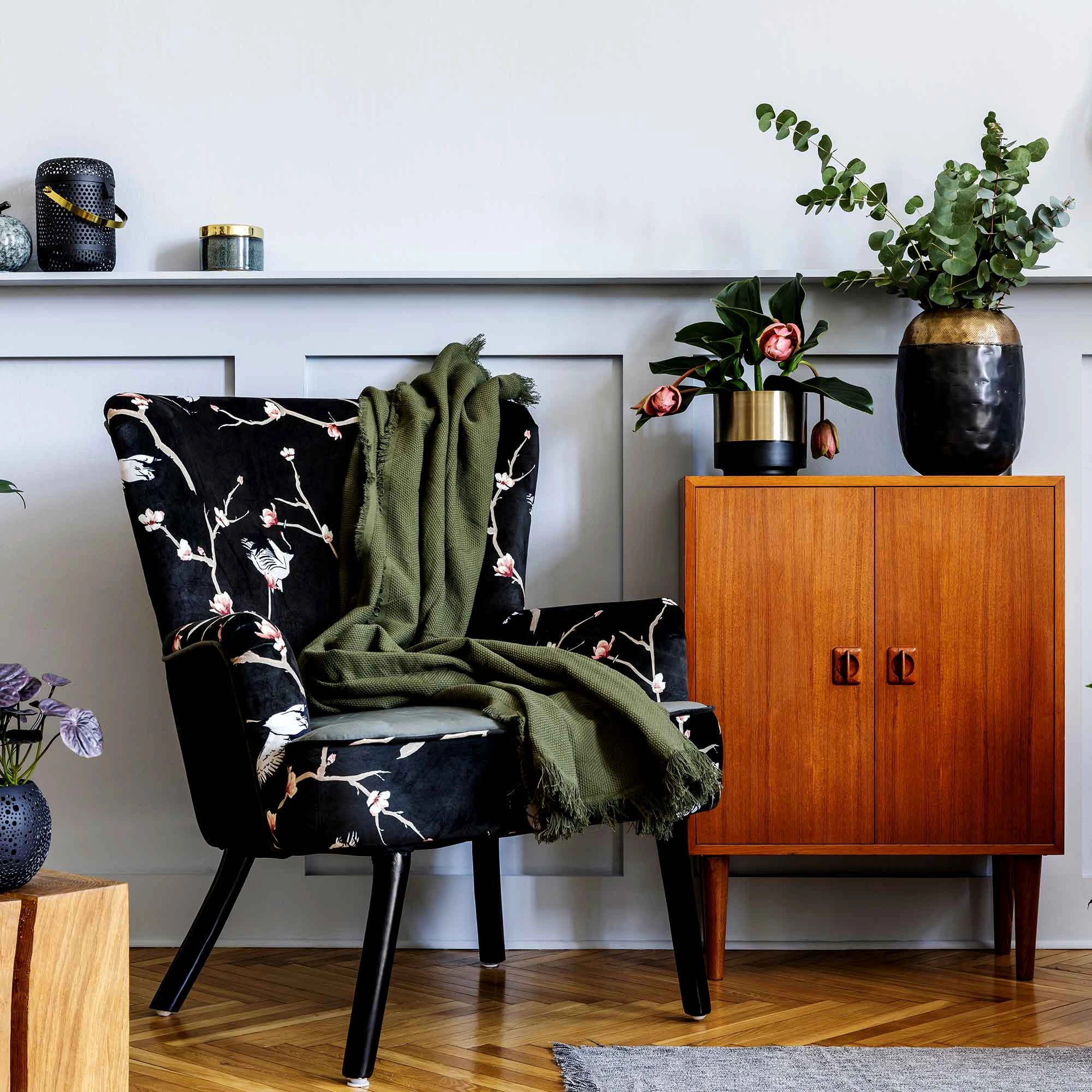
In today’s digital-first marketplace, visuals are the cornerstone of marketing and brand perception. For furniture brands, high-quality images can make or break a sale. Consumers rely on visuals not just to see the product, but to imagine it in their homes, feel its quality, and understand its functionality.
Traditionally, product photography has been the go-to method for showcasing furniture. However, with the advancement of rendering technology, 3D rendering has emerged as a powerful alternative. Both methods have unique advantages and limitations. Choosing the right option requires understanding the differences, evaluating your brand’s needs, and considering your audience’s expectations.
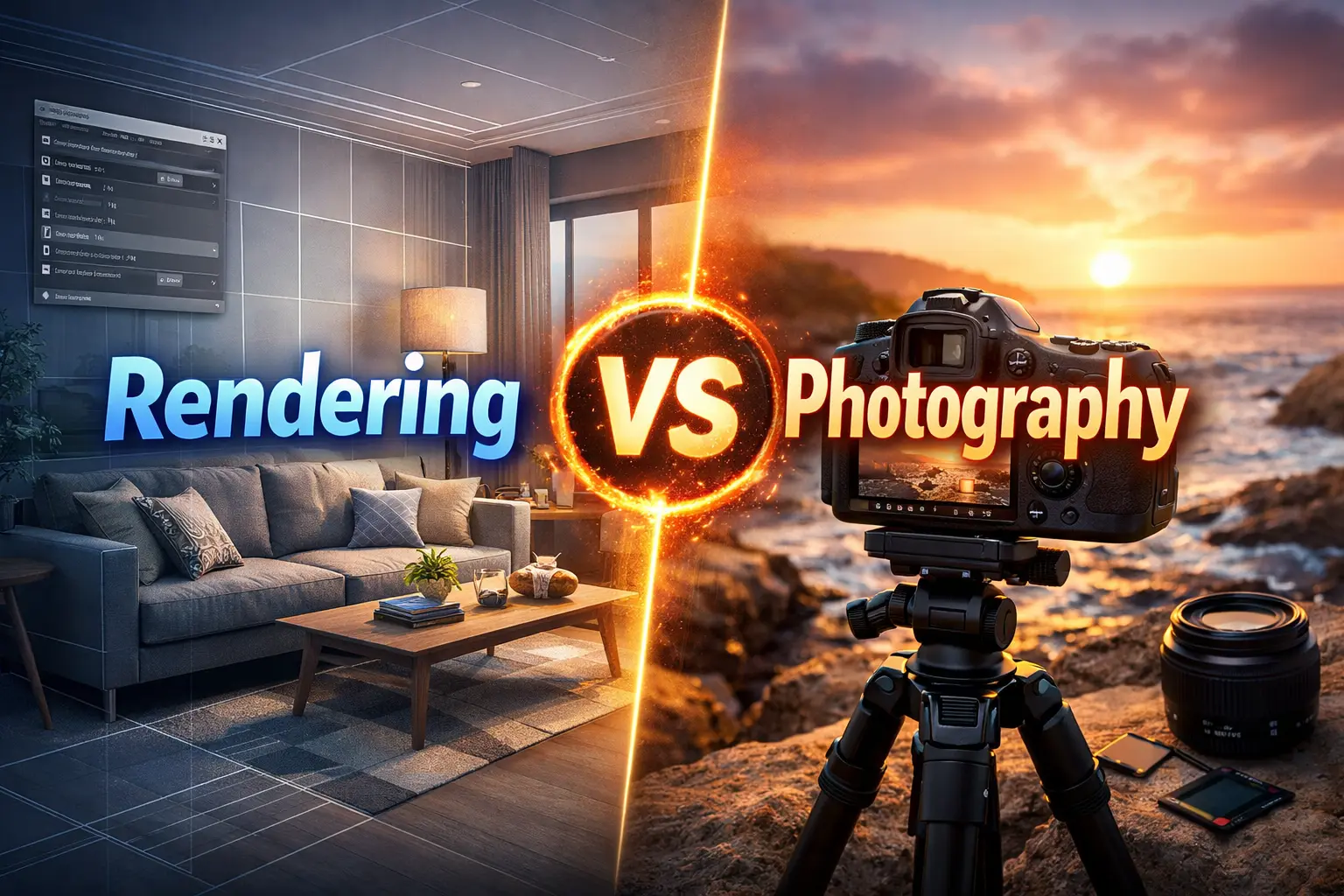
This article dives deep into rendering vs photography, comparing workflow, cost, quality, efficiency, and creative possibilities. Whether you’re a furniture designer, e-commerce entrepreneur, or marketer, this guide will help you make an informed decision and elevate your brand’s product presentation.
Rendering vs Photography: Quick Data Comparison (Furniture Brands)
| Factor | 3D Rendering | Photography |
|---|---|---|
| Cost per product | $50–$300 | $300–$1,500 |
| Time to market | 2–5 days | 7–14 days |
| Variants (colors/styles) | Low cost, fast | High cost, reshoot |
| Conversion impact | +15–35% | Standard |
| Return rate | 5–8% | 10–15% |
| Revisions | Instant | Slow & costly |
| AR / 360° support | ✅ Yes | ❌ No |
| Long-term ROI | High | Medium |
Key Takeaway:
3D rendering is 40–70% cheaper, 2–3× faster, and drives higher conversions than photography for most furniture brands.
Rendering vs Photography: Average Comparison (All Product Types)
| Factor | 3D Rendering (Average) | Photography (Average) |
|---|---|---|
| Cost per product | $80–$400 | $250–$2,000 |
| Time to delivery | 2–6 days | 7–15 days |
| Variant creation | Very low cost | High cost (reshoot) |
| Revision speed | Same day | 3–7 days |
| Visual consistency | 100% consistent | Varies by shoot |
| Conversion impact | +10–30% | Baseline |
| Return rate | 5–9% | 9–18% |
| AR / 360° support | ✅ Yes | ❌ No |
| Long-term reusability | High | Limited |
| Overall ROI | High | Medium |
Best Use (All Products)
3D Rendering is better for:
Products with many variants
E-commerce & marketplaces
Fast launches & frequent updates
Tech, furniture, electronics, home, industrial products
Photography is better for:
Handmade / organic products
Food & fashion lifestyle shoots
Emotional or real-world storytelling
One-Line Summary:
Across all product categories, 3D rendering is 30–60% more cost-efficient and delivers faster scalability than traditional photography.
What is 3D Product Rendering?
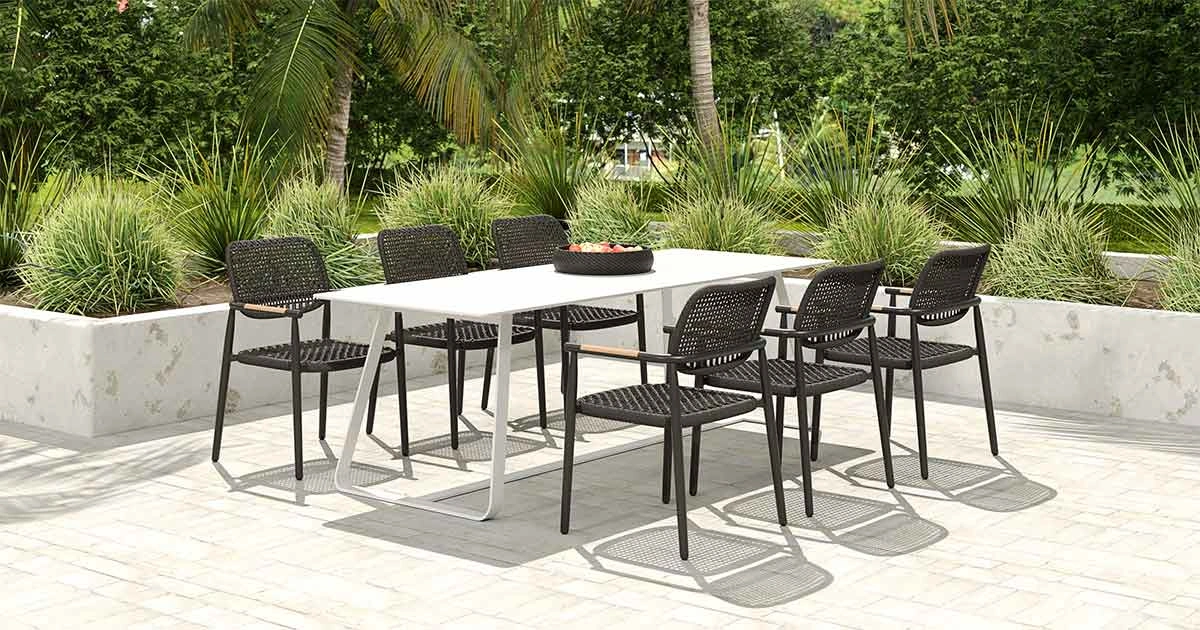
3D product rendering is the creation of realistic digital images or animations of a product using rendering software, without needing a physical prototype.
3D product rendering allows brands to visualize products digitally before they exist in the real world. Unlike traditional product photography, which requires physical items, rendering uses computer-generated models to showcase every detail, texture, color, material, and lighting effect.
For furniture brands, this means:
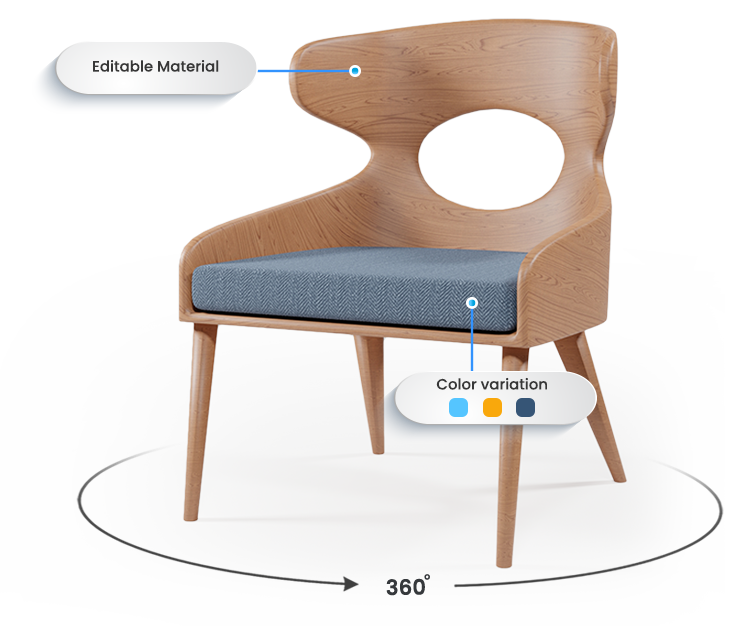
- Multiple Variations: Easily display different colors, fabrics, finishes, and styles without additional photo shoots.
- Cost and Time Efficiency: Save on production costs and speed up marketing campaigns since no physical prototype is needed.
- High Realism: Create photorealistic visuals that help customers understand the look and feel of sofas, chairs, tables, and decor items.
- Flexible Marketing: Use renders for e-commerce listings, catalogs, AR/VR apps, and social media campaigns.
Overall, 3D rendering bridges the gap between concept and reality, giving brands the flexibility to present products creatively and efficiently.
Key Benefits of 3D Rendering
- Visualize Products Before Production: Designers can present concepts to clients without manufacturing.
- Multiple Angles, Colors, and Materials: One digital model can generate hundreds of variations.
- Versatile Marketing Content: Rendered images can be used for websites, social media, catalogs, AR applications, and more.
Workflow of 3D Rendering
The rendering process involves several key steps:
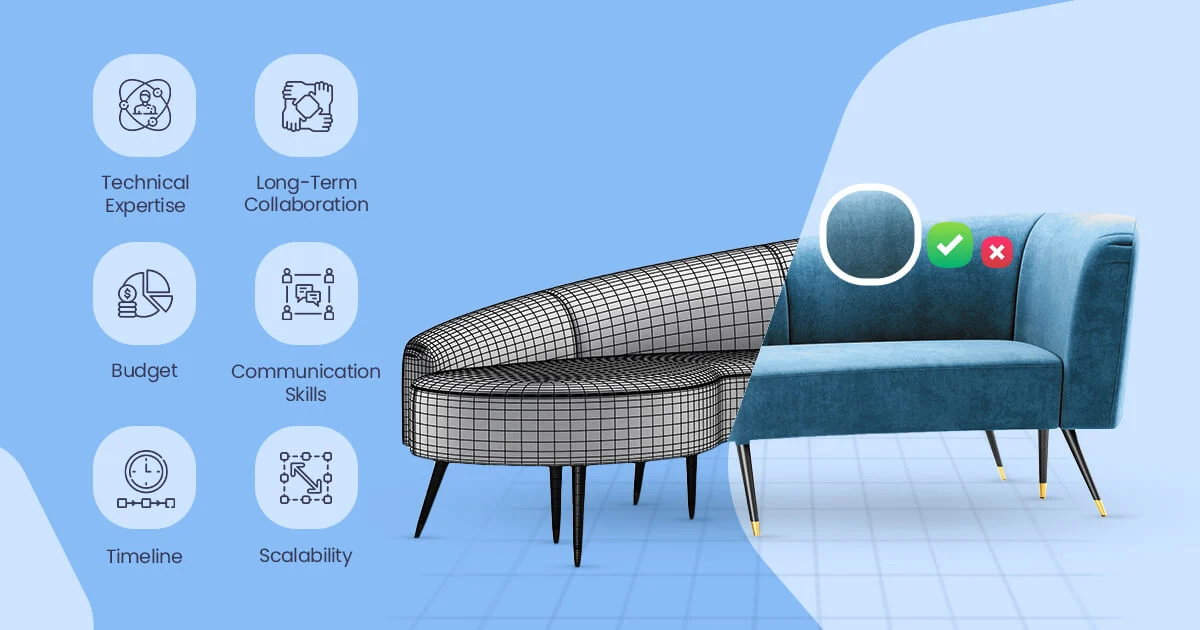
- 3D Modeling: Designers create a detailed model using 3D rendering software like Blender, 3ds Max, or Autodesk Maya. Accuracy in shapes, proportions, and details is crucial.
- Texturing: Materials, patterns, and colors are applied. Tools like Substance Painter or Photoshop enhance realism.
- Lighting: Virtual lights mimic real-world illumination, creating shadows, highlights, and depth.
- Rendering: The scene is converted into a final image using engines like V-Ray, Corona Renderer, or KeyShot.
- Post-Processing: Final adjustments to color, contrast, or effects refine the image for marketing.
Types of 3D Renders
- Product Renderings: Focus solely on the furniture piece with a clean, neutral background. Ideal for product catalogs and e-commerce listings.
- Lifestyle/Ambient Renderings: Show furniture in real-life settings like living rooms or offices, helping customers create realistic impressions of the product in their homes.
Applications for Furniture Brands
- E-commerce: Display multiple product variations without extra photoshoots.
- Marketing Campaigns: Create compelling visuals for social media or print ads.
- AR and VR: Enable customers to virtually place furniture in their homes.
- Prototyping: Present concepts to clients before production.
What is Product Photography?
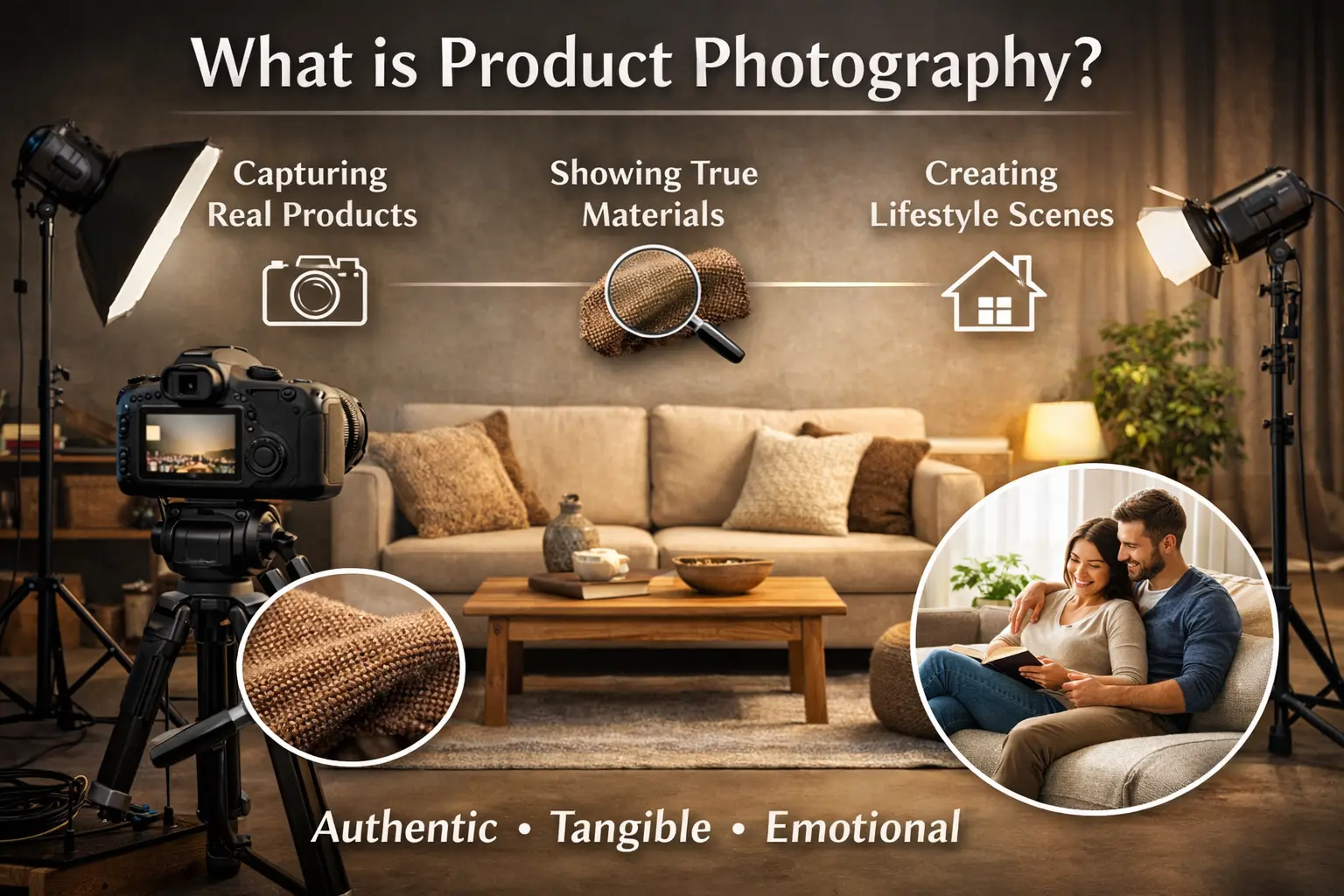
Product photography is the practice of capturing high-quality images of physical products to showcase their design, materials, and functionality.
Product photography combines art and technical skill to present products in the best possible way. For furniture brands, this often involves photographing items in a studio or real-life setting, emphasizing details like texture, craftsmanship, and finish.
Key Points:
- Authenticity: Unlike digital renders, photography shows the actual product, building trust with customers.
- Visual Storytelling: Lifestyle or in-use shots help buyers envision how furniture fits into their homes or daily life.
- Marketing Versatility: Images can be used across e-commerce platforms, catalogs, social media, and advertising campaigns.
While 3D rendering vs photography offers flexibility and creative possibilities, professional photography highlights realism and credibility, making it essential for high-value or limited-edition items.
Key Benefits of Product Photography
- Authenticity: Real images build trust and credibility.
- Emotional Storytelling: Lifestyle photography captures people interacting with furniture.
- Proof of Existence: Confirms that products are tangible and reliable.
Photography Process
- Preparation: Clean and set up products; fix imperfections.
- Studio or Location Setup: Adjust lighting, background, props, and space.
- Shooting: Capture multiple angles using professional cameras and lenses.
- Post-Processing: Edit images for color, contrast, and perfection using software like Adobe Photoshop or Lightroom.
Challenges of Furniture Photography
- Requires large spaces for bigger items.
- Dependent on lighting and environmental conditions.
- Each variation (color, material) often requires a new shoot, adding cost and time.
- Logistically complex for multiple locations or lifestyle setups.
Rendering vs Photography: Detailed Comparison
Criterion | Traditional Photography | 3D Rendering |
Basis | Physical object, real-world setting | 3D model, virtual environment |
Workflow | Pre-production, shooting, post-production | Modeling, texturing, lighting, rendering, post-processing |
Flexibility | Limited, requires reshooting for changes | Extremely high, adjustments in minutes |
Cost | Linear: each variation = new shoot | Exponential: high initial, low variable costs |
Quality & Realism | High authenticity, true textures | Photorealistic, idealized perfection |
Time Efficiency | Time-consuming, especially for multiple variations | Faster after the initial model, easy updates |
Customer Perception | Builds trust through authenticity | Engages customers through interactivity and visuals |
Best Use | Finished products, lifestyle campaigns | Prototypes, customizable products, and large catalogs |
Key Factors Furniture Brands Should Consider
- Budget: Initial cost vs long-term investment.
- Product complexity: Multiple variations favor rendering.
- Frequency of updates: Frequent catalog changes benefit from digital models.
- Target audience expectations: Some customers prioritize authenticity; others value creativity and interaction.
3D Rendering vs Photography: Key Benefits
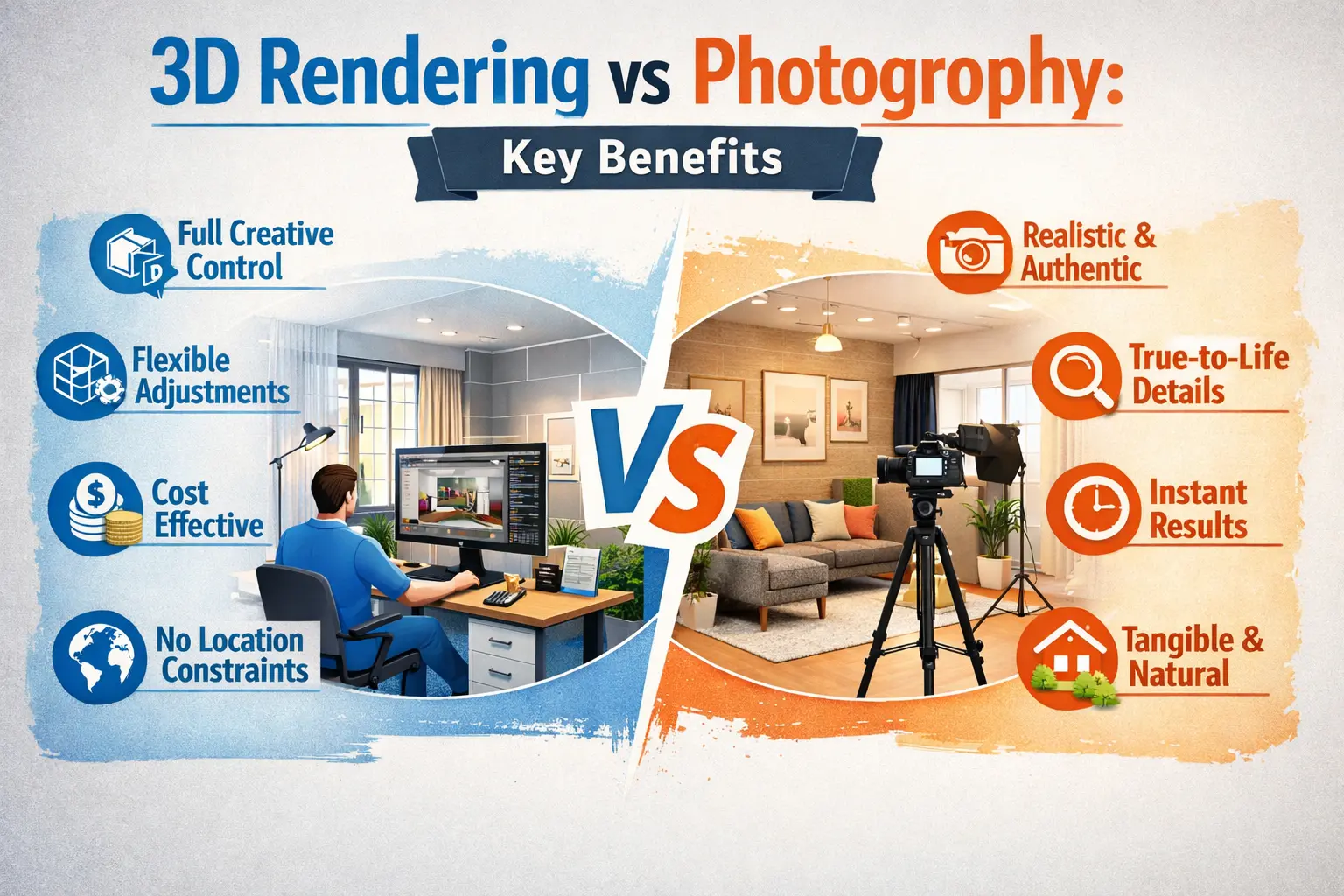
Unique Advantages of 3D Rendering for Furniture Brands
3D rendering images provide furniture brands with transformative advantages over traditional photography, including substantial cost savings, boundless creativity, interactive customer experiences, and streamlined operations. These benefits arise from reusable digital models created by skilled 3D artists that allow rapid iterations and visualizations without physical constraints. Brands adopting 3D rendering technology report higher engagement, fewer returns, and faster market entry.
Cost-Effectiveness
- Creating a single 3D model enables endless inexpensive variations, slashing expenses on studio rentals, props, models, and photography sessions.
- Reduces overall production costs by 30-50% compared to physical shoots, as no furniture manufacturing or shipping is needed for product visuals.
- Eliminates waste from disposable sets or prototypes, supporting sustainable practices by minimizing material use.
- Long-term savings are amplified for large product catalogs, where updates cost pennies versus thousands in reshoot fees.
Creative Freedom
- 3D rendering images depict furniture in any imaginable environment—from cozy mountain cabins and sleek minimalist apartments to sci-fi futuristic spaces—unachievable with real-world product photographs.
- Enables “impossible” scenarios like floating pieces, extreme close-ups, or surreal lighting without logistical hurdles.
- Instant tweaks to colors, textures, fabrics, or scales foster experimentation and trend-aligned designs.
- Supports hyper-realistic details, such as fabric folds or wood grains, enhanced by advanced lighting simulations.
Interactivity Features
- Interactive elements turn static images into engaging experiences, boosting customer immersion and decision-making.
- Various angles and different angles allow users to inspect every detail dynamically.
- Online configurators allow real-time customization of colors, materials, sizes, and layouts.
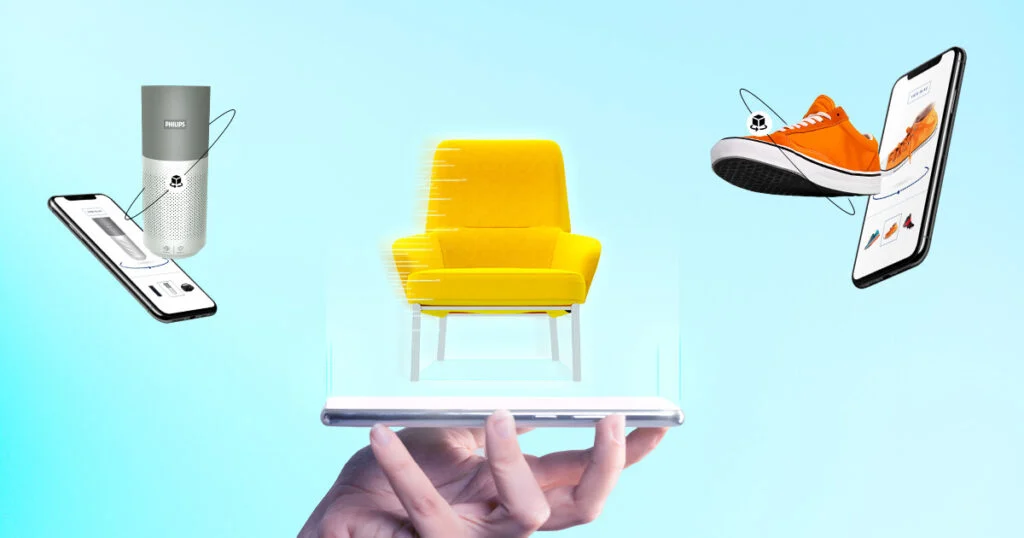
- Web AR integrates products into users’ home environments via smartphone cameras, reducing purchase hesitation.
- These features drive higher conversion rates, with studies showing 20-40% engagement lifts.
Efficiency and Flexibility
- Modifications like background swaps or material updates occur in minutes, not days, without rescheduling shoots or rebuilding sets.
- Accelerates catalog launches and seasonal refreshes with uniform branding across thousands of SKUs.
- Scales effortlessly for global markets, adapting to cultural styles or regional preferences instantly.
- Integrates with e-commerce platforms for automated visuals, cutting time-to-market by weeks.
Lifestyle Rendering Examples
- A versatile sofa model rendered by 3D artists convincingly in diverse settings demonstrates adaptability without physical relocation.
- Modern urban apartment: Paired with sleek decor under soft natural light to appeal to city dwellers.
- Rustic cabin: Surrounded by wood beams and fireplaces for cozy, traditional vibes.
- Beach house: Against ocean views with breezy fabrics, evoking vacation luxury.
- These multi-context 3D rendering images enhance storytelling, customer satisfaction, and sales by 25% on average.
Unique Advantages of Photography for Furniture Brands
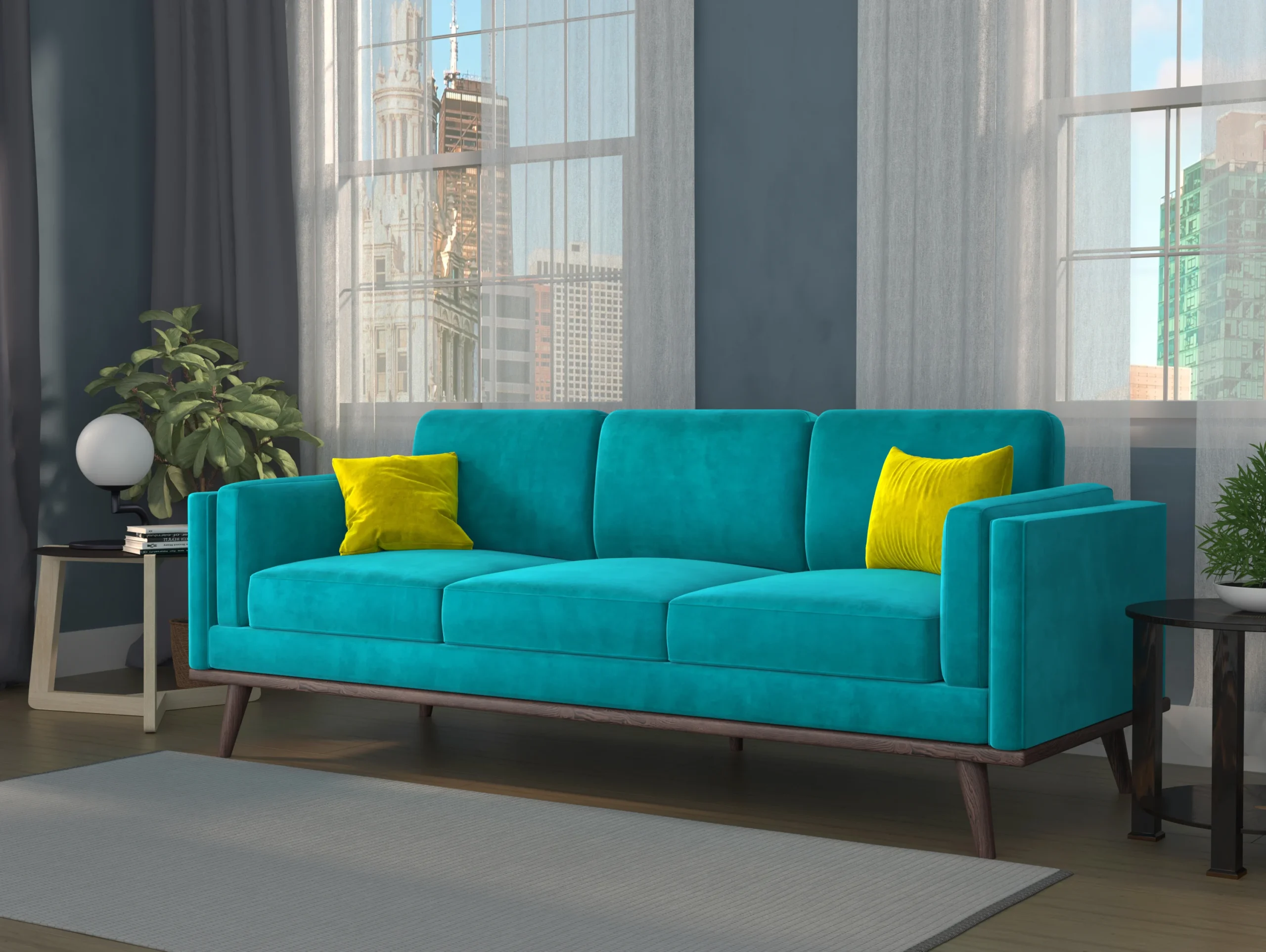
1. Authenticity and Trust
Product photographs allow furniture brands to showcase their products exactly as they appear in the real world, building credibility with potential buyers.
- Real-world textures and materials: Detailed product photographs capture the grain of wood, the weave of fabric, or the finish of metals, helping customers understand the true quality of the product.
- Transparency in quality: Clear, unaltered images reassure buyers that the product they see online matches what they will receive.
Social proof through real-life context: Customer photos, reviews with images, and behind-the-scenes shots increase trust and create a sense of reliability.
2. Emotional Storytelling
Product photographs enable brands to tell stories that connect emotionally with the audience, turning products into lifestyle experiences rather than just items for sale.
- Lifestyle imagery: Show furniture in real home settings with real people interacting with the product, creating aspirational content that resonates with buyers.
- Mood and atmosphere: Lighting, composition, and styling can evoke feelings of comfort, luxury, or productivity, depending on the furniture type.
- Relatable scenarios: Images of families using a dining table or friends lounging on a sofa help customers envision their own life with the product.
3. Best for Limited Editions
For small-batch, high-value, or unique furniture, photography highlights the craftsmanship and intricate details that 3D product rendering offers but may oversimplify.
- Highlighting craftsmanship: Macro shots or close-ups emphasize unique stitching, hand-carved patterns, or rare materials.
- Limited edition storytelling: Photographs can narrate the exclusivity of the product, showing what makes it special and worth owning.
- Differentiation from digital renderings: Unlike photography, digital renders may lack subtle imperfections that add authenticity and charm, appealing to discerning buyers.
4. Supporting Advantages (Fan-Out Expansion)
Photography isn’t just about showcasing products—it also enhances marketing, branding, and sales conversion.
- Improved conversion rates: Studies show that shoppers are more likely to purchase when they can see realistic product visuals.
- Versatility across platforms: Product photographs can be used on websites, social media, email marketing, and even print catalogs.
- Brand personality reinforcement: The style, lighting, and composition of photos communicate the brand’s identity—luxury, modern, rustic, or minimalist.
- Enhanced SEO performance: Original product photographs improve search engine visibility and can appear in Google Image searches, attracting organic traffic.
Hybrid Approach: Using Both Rendering and Photography

For furniture brands, combining photography and 3D rendering offers a powerful approach to showcase products with both realism and creative flexibility. This hybrid strategy allows brands to leverage the strengths of each medium, ensuring visuals are engaging, accurate, and versatile across marketing channels. It’s an effective solution for creating product images for e-commerce and marketing campaigns.
1. When to Use Both
Using photography and rendering strategically ensures efficiency, cost-effectiveness, and maximum visual impact.
Prototypes:
- Rendering: Perfect for pre-launch promotion, marketing teasers, and investor presentations when the CAD model or model is created, before the physical product samples exist. Rendering eliminates the need for manufacturing prototypes, saving time and costs.
- Photography: Once the product is manufactured, use product photography to validate its quality and provide perfect image outputs for e-commerce, catalogs, and marketing.
Large Catalogs:
- Rendering: Quickly create multiple product variations (colors, textures, finishes) without the need to produce every physical version, ideal for businesses with extensive product lines.
- Photography: Focus on hero products or bestsellers to highlight craftsmanship, material quality, and brand authenticity.
Marketing Campaigns:
- Combination Approach: Blend lifestyle photography with 3D lifestyle renders to create dynamic content for social media, web banners, and email campaigns. This approach integrates interior design visuals, capturing both emotional storytelling and flexible creative concepts.
2. Benefits of a Hybrid Approach
Combining photography and rendering provides a balanced solution that maximizes visual quality, creativity, and engagement.
Authenticity + Creativity:
- Conventional photography ensures realistic, trust-building visuals that showcase materials, textures, and craftsmanship.
- 3D rendering allows flexibility in angles, lighting, and environments that may be difficult or costly to photograph and highlights artistic skills.
Maximizing Visual Content Across Platforms:
- Rendering: Ideal for interactive 3D views, augmented reality (AR) apps, virtual catalogs, and promotional material.
- Photography: Best for social proof, lifestyle storytelling, and high-quality product images for e-commerce that resonate with customers.
Efficiency and Cost Optimization:
- Using both mediums strategically reduces the need for extensive product photography for every variant, saving time and budget.
- Rendering eliminates delays when product samples are unavailable, ensuring marketing campaigns stay on schedule.
3. Strategic Implementation
- Use renders for early promotion and variations, and photographs for final product authenticity.
- Combine images for marketing campaigns to balance realism and creativity.
- Maintain a visual content library mixing both photography and rendering for future use, reducing recurring costs and speeding up content production.
4. Case study of use both:
Product Marketing: 3D renders cut production costs by up to 40% and boost content output up to 300%. They can increase revenue by 14% and conversion rates by 20%.
• Real Estate & Architecture: 3D tours get 87% more views, 95% more inquiries, and virtual staging can sell properties 73% faster.
• Advertising & Social Media: 3D visuals can raise engagement up to 94% and listings with 3D video get 4× more inquiries.
• Technical/Educational Visuals: Complex product views are easier and more precise with 3D rendering.Takeaway: Combining photography and 3D rendering improves engagement, speeds up sales, and delivers measurable ROI.
Cost, Time, and ROI Analysis

Understanding the financial and operational impact of photography and 3D rendering is essential for furniture brands. A hybrid approach can optimize both cost efficiency and return on investment (ROI).
Rendering vs Photography: ROI Comparison for Furniture Brands
| Metric | 3D Rendering | Photography |
|---|---|---|
| Average ROI | 50×–300× | 5×–20× |
| Cost per product | Lower (one-time model) | Higher (per shoot) |
| Conversion impact | +30% to +110% | Minimal uplift |
| Return rate impact | 15–35% reduction | Little impact |
| Variant cost | Very low | High (reshoots needed) |
| Long-term value | High (reusable assets) | Limited |
Key Takeaway:
3D rendering delivers significantly higher ROI than photography for furniture brands by reducing costs, increasing conversions, and minimizing returns.
1. Initial vs Long-Term Investment
Choosing between photography and 3D rendering involves evaluating upfront costs and recurring expenses.
- Rendering:
- Requires a high initial investment in software, CAD model creation, and skilled 3D artists.
- Once assets are created, ongoing costs are low, as multiple variations can be generated without the need for new prototypes.
- Requires a high initial investment in software, CAD model creation, and skilled 3D artists.
- Photography:
- Lower initial setup costs: studio, camera equipment, and photographer fees are typically less than rendering setup.
- High recurring costs: each new product, seasonal collection, or catalog requires additional shoots to achieve a perfect image.
- Lower initial setup costs: studio, camera equipment, and photographer fees are typically less than rendering setup.
2. Time-to-Market
Speed and flexibility are critical when launching new furniture lines.
- Rendering:
- Can run parallel to product development, allowing marketing campaigns to start before the physical product samples are available.
- Reduces delays for pre-launch promotions, virtual catalogs, and digital marketing content.
- Can run parallel to product development, allowing marketing campaigns to start before the physical product samples are available.
- Photography:
- Dependent on the physical availability of the product.
- Campaigns may be delayed if manufacturing or delivery schedules shift, impacting launch timing.
- Dependent on the physical availability of the product.
3. ROI Considerations
Evaluating ROI helps brands understand the value generated by visual content in terms of engagement, conversions, and sales.
- Interactive Renderings:
- Engage customers with 360° views, AR experiences, or customizable variations.
- Reduce product returns by allowing buyers to visualize options accurately.
- Boost sales by enabling early marketing and pre-orders.
- Engage customers with 360° views, AR experiences, or customizable variations.
- Photography:
- Builds trust and authenticity, reassuring customers about material quality, texture, and craftsmanship.
- Enhances conversion rates, especially for high-value, limited-edition, or premium products.
- Builds trust and authenticity, reassuring customers about material quality, texture, and craftsmanship.
4. Strategic Takeaways
- For new product launches, use creating 3D renders to accelerate marketing and maintain flexibility.
- For premium or limited-edition products, conventional photography ensures trust and emotional connection.
- A balanced investment in both methods can optimize time-to-market, minimize recurring costs, and maximize ROI across platforms.
Future Trends in Furniture Visualization
The furniture industry is rapidly evolving, with technology reshaping how products are presented, marketed, and sold. Emerging trends in visualization enable brands to offer more engaging, interactive, and sustainable experiences for customers, helping them ensure the product is showcased in the best possible way.
Note: A. Approximately 60% of brands are expanding their use of 3D visual tools.
Furniture News.
B.68% allocating significant budget (10–25%) to 3D/AI tech. Furniture News
1. 3D Configurators and Interactive Catalogs
Interactive tools allow customers to customize furniture in real-time, enhancing engagement and personalization.
Customization Options:
Change colors, fabrics, finishes, and layouts to see exactly how the product fits their style, helping customers rely heavily on product visuals before making a purchase.
Enhanced User Experience:
Interactive catalogs reduce uncertainty, increasing confidence in purchase decisions.
Marketing Benefits:
- Encourages exploration of product lines and can boost upselling opportunities through personalized recommendations, considering 3D variations and design elements.
2. AR/VR Integration
Augmented Reality (AR) and Virtual Reality (VR) are transforming online shopping into immersive experiences.
Web AR:
- Enables customers to virtually place furniture in their homes, helping them judge scale, style, and fit, allowing them to present the product accurately.
VR Showrooms:
- Create virtual environments where users can explore full collections without leaving their homes.
Purchase Confidence:
- Reduces the likelihood of returns and increases satisfaction by providing a realistic preview, as customers rely heavily on product visualization.
3. AI-Assisted Rendering
Artificial Intelligence is revolutionizing how 3D content is created and optimized.
Faster, Realistic Renders:
- AI automates lighting, textures, and environment adjustments, producing photorealistic images in less time, helping brands create a photo of the entire product digitally.
Automated Content Creation:
- Efficient for large catalogs with numerous variations, reducing manual workload and production time, while highlighting important design elements.
Scalability:
- Enables brands to expand their digital catalogs quickly without the need for multiple physical samples.
4. Sustainability
Digital visualization contributes to eco-friendly practices in furniture production and marketing.
Reduced Physical Prototypes:
- High-quality renders and virtual prototypes minimize the need to create multiple physical samples, while photography may incur additional resource use.
- Reduces waste and associated production costs, supporting sustainable business practices.
Eco-Friendly Branding:
- Showcasing sustainable practices through digital-first visualization can enhance brand image, while changing product elements digitally is simpler than reshooting.
5. Strategic Implications
- Investing in 3D configurators, AR/VR, and AI rendering positions brands as innovative and customer-focused.
- Embracing digital solutions can accelerate marketing, reduce costs, and support sustainability goals.
- Combining traditional photography with these technologies ensures a comprehensive, versatile visual strategy that allows brands to present the product effectively online and offline.
Key Differences, Real Impact, and Practical Insights: 3D Rendering vs Photography
Why Do Visuals Matter So Much for Furniture Brands?
Furniture buyers cannot touch products online.
They depend on images to understand size, color, and design.
Clear visuals help customers:
- feel confident
- trust the brand
- make faster buying decisions
Better visuals mean better sales.
How Does 3D Rendering Help Increase Sales and Conversions?
3D rendering shows furniture clearly and accurately.
It allows customers to:
- see products from every angle
- view different colors and materials
- imagine furniture in real rooms
This reduces confusion and helps customers buy with confidence.
How Does 3D Rendering Reduce Product Returns?
Returns happen when products look different than expected.
3D rendering reduces returns by:
- showing correct size and shape
- using realistic materials
- avoiding lighting mistakes
When customers know what they are buying, they return less.
What Are the Limitations of 3D Rendering?
3D rendering is powerful, but not perfect.
Common limits include:
- quality depends on artist skill
- wrong data can affect realism
- initial setup cost for small brands
Choosing an experienced 3D team solves most of these issues.
What Are the Limitations of Furniture Photography?
Furniture photography also has challenges.
Main problems are:
- high shooting cost
- transport and setup effort
- reshooting for every change
Photography is hard to scale for large catalogs.
Why Is Furniture Photography Less Flexible for Variations?
Photography cannot easily show:
- many colors
- many materials
- frequent design updates
Each change needs a new photoshoot.
What Interactive Features Does 3D Rendering Offer?
3D rendering supports modern shopping features like:
- 360° product views
- color and material configurators
- AR view to place furniture in real rooms
These features increase engagement and trust.
Why Can’t Photography Support These Interactive Features?
Photography creates static images only.
It cannot:
- rotate products
- change materials
- show furniture inside customer rooms
That limits the online shopping experience.
How Do Big Furniture Brands Use 3D Rendering in Real Life?
Many brands use 3D rendering to:
- preview products before production
- build catalogs early
- reduce marketing cost
They often combine 3D with photography for best results.
What Is a Hybrid Approach and Why Does It Work Best?
A hybrid approach means using:
- 3D rendering for catalogs and variations
- photography for lifestyle and hero images
This gives brands flexibility, trust, and better ROI.
How Should Furniture Brands Choose the Right Option?
Ask simple questions:
- Do we have many product variations?
- Do we sell mainly online?
- Do we need fast updates?
3D rendering → flexibility and scale
Photography → emotion and realism
Both together → best long-term solution
Why Choose Orbe3D Over Traditional Photography?
Orbe3D gives you photo-realistic 3D images that are more flexible than traditional photography. There are no limits on angles, lighting, colors, or setups—you can change them anytime. Here’s why it works better for furniture brands:
- Show Furniture Before It’s Built:
Promote and sell furniture early using 3D renders.
Share catalogs and accept orders without waiting for the physical product. - One Model, Endless Options:
Change colors, fabrics, finishes, or room styles from a single 3D file.
Avoid costly re-shoots for every product version. - Save Money and Time:
No studio, cameras, travel, or physical setup required.
More affordable for large collections and fast updates. - Easy Fixes, No Extra Work:
Update colors or materials in minutes.
No re-shooting or setup delays. - Built for Online Sales:
Ideal for websites, online stores, ads, and catalogs.
Add 360° views, room scenes, or AR features for buyers. - Your Long-Term Visual Partner:
We deliver consistent, high-quality 3D images.
Helping your brand grow with modern visual tools.
Ready for flexible and fast visuals? Choose 3D rendering with Orbe3D, it’s the smart way forward.
People Also Ask / FAQs
Q1: Is 3D rendering better than photography for furniture brands?
A: It depends on your goals. Considering 3D renders are cost-effective for multiple variations and prototypes, photography provides authenticity for finished products.
Q2: Can rendering replace photography entirely?
A: For catalogs and online stores, yes; for lifestyle campaigns with real people, photography often involves capturing authentic interactions.
Q3: How much does 3D furniture rendering cost?
A: Costs vary by complexity, ranging from $50 for simple models to several hundred dollars for detailed renders.
Q4: What software is best for 3D furniture rendering?
A: Popular options include Blender, 3ds Max, KeyShot, V-Ray, and Corona Renderer.
Q5: Can customers see furniture in their homes before buying?
A: Yes, AR and 3D configurators enable virtual placement of furniture in real spaces, helping buyers ensure the product fits their needs.
Q6: How long does professional furniture photography take?
A: Depending on product size and setup, a single photoshoot can take hours to days, plus post-processing time.
Q7: What type of visuals increase online furniture sales?
A: Interactive 3D renders, lifestyle photography, AR experiences, and high-quality product images for e-commerce all boost engagement.
Conclusion
Both 3D rendering and photography play crucial roles in furniture marketing. Rendering provides flexibility, scalability, and creative freedom, while photography ensures authenticity and emotional connection.
Choosing the right method depends on your budget, product line, and marketing goals. Many successful brands combine both, using rendering for prototypes, catalogs, and variations, and use product photography for hero products and lifestyle content.
Investing in high-quality visual content can dramatically improve brand perception, customer engagement, and conversion rates. Furniture brands that embrace both methods stay ahead in a competitive digital marketplace.
At Orbe3D, we specialize in delivering photorealistic 3D furniture renders that elevate your brand and drive sales. Whether you’re launching a new product or refreshing your catalog, our team crafts visuals that ensure the product is presented in stunning detail.
Contact us today to discuss your project and see how Orbe3D can bring your furniture to life with perfect image quality.
Get started with a free trial and experience the difference firsthand!