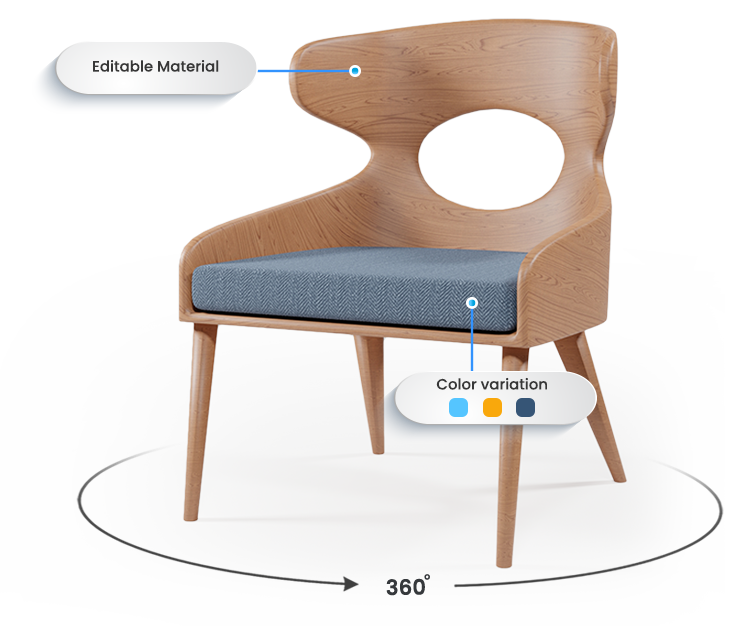
Most furniture brands are still building expensive physical prototypes – wasting months and thousands of dollars – before a single customer sees the product.
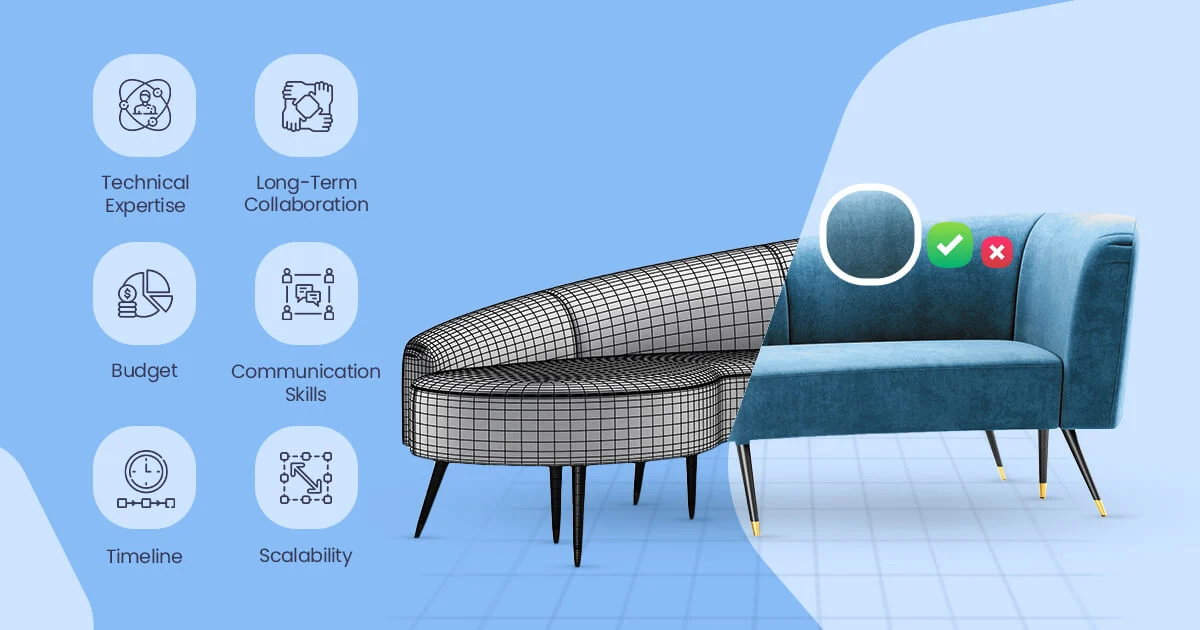
3D furniture modeling service is a proven solution for it. In 3D, you don’t need to create a bulk amount first; create a CGI image first and see your customer feedback. Whether they like your furniture or not.
In this process, you judge your customers better- what your customers choose, whether your product is aligned with that, and whether everything is okay. Then produce a bulk amount of SKUs for your brand.
Another interesting part is that 3D images are cost-saving compared to photography, and they can increase conversion rates by as much as 65% to 94% while also reducing returns.
In this article, you’ll discover 9 proven reasons why top furniture brands create 3D models before manufacturing – plus 7 practical ways to put this to work for your brand.
9 strong Reasons Why Furniture Brands Build 3D Models Before Anything Goes Into Production
Reason 1 – They Catch Catastrophic Design Flaws Before a Single Nail Goes In
A 3D model lets your engineering and design teams validate proportions, materials, and structure – digitally.
One revision at the digital stage saves weeks of production time. Joinery issues, structural weaknesses, and size errors? Visible in 3D. Invisible on paper.
The cost difference is staggering:
- Catching a flaw in 3D = a few hours of revision time
- Catching it on the production floor = scrapped materials, rescheduled factory runs, delayed launch
Industry reality: Physical prototyping errors discovered post-production can cost 10–25x more to fix than the same error caught digitally.
Reason 2 – They Launch Marketing Campaigns Before the Factory Runs a Single Machine
Photorealistic CGI renders from 3D models go straight into ads, catalogs, and social media – before production even starts.
One high-quality 3D model of a sofa can produce:
Output | Traditional Method | 3D Modeling |
Hero banner image | Requires physical sample + shoot | Done from 3D model |
Social carousel (5 angles) | 5 separate shots | One model, multiple renders |
360° spin video | Expensive turntable shoot | Automated from 3D |
Print catalog | Physical sample required | Digital render |
AR placement tool | Not possible | Exported from 3D file |
Pre-launch marketing builds demand before stock even exists. Brands that do this shorten the gap between design and revenue – dramatically.
Reason 3 – They Eliminate the Brutal Cost of Building Multiple Physical Prototypes
Traditional prototyping = materials + labor + shipping + storage. For every variant. Every revision. Every season.
3D modeling replaces all of that with virtual prototypes – iterate as many times as needed, at near-zero marginal cost.
What the data shows:
- Brands switching to 3D workflows report 30–70% reduction in prototyping and visual production costs
- AI-powered 3D platforms are now reducing asset generation time from weeks to hours
- Less material waste = direct alignment with sustainability goals (a growing buyer expectation)
Reason 4 – They Let Customers SEE the Furniture in Their Own Home Before It Exists
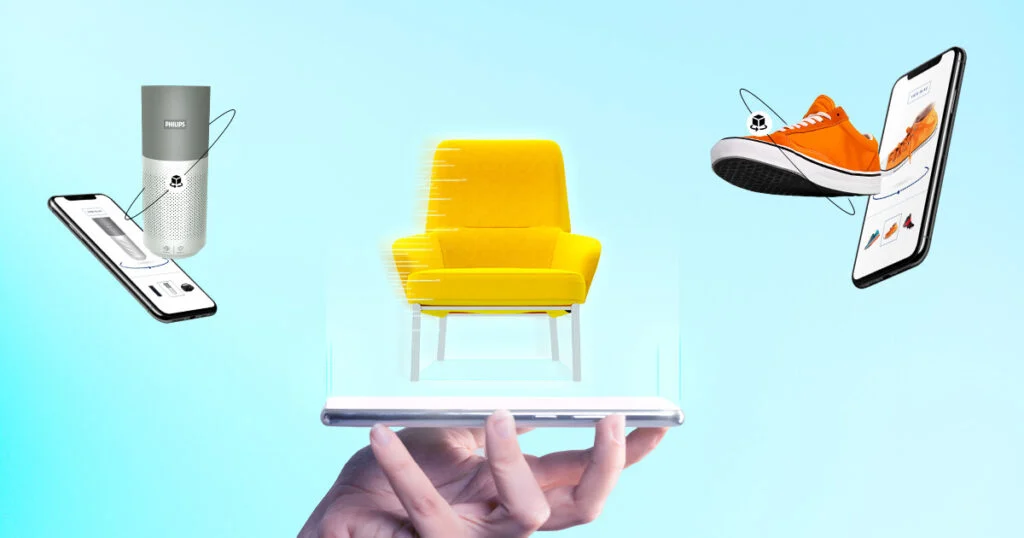
3D models feed directly into AR (Augmented Reality) tools. Customers place the furniture in their actual room – via their phone – before committing to buy.
Why this matters for your bottom line:
- Wayfair data: customers using AR are 11x more likely to complete a purchase
- 70% of furniture sellers report a direct reduction in returns after adopting 3D visualization (Fixtuur, 2025)
- This capability only exists because the 3D model was built first
Customers who can see it in their space buy with confidence. Customers who can’t – hesitate, or buy and return.
Reason 5 – They Offer Infinite Customization Without Infinite Production Costs
One 3D model = unlimited color, fabric, material, and finish variants – all rendered digitally.
Traditional method: A photographer needs three separate physical sofas to show velvet, leather, and linen.
3D method: A 3D artist switches the digital texture. Same model. 30 minutes. Done.
Product configurators powered by 3D models let customers build their own version online in real time. This was previously only accessible to large brands. Now it’s available to anyone with the right 3D asset.
Mass customization at scale is a 3D-first capability. Full stop.
Reason 6 – They Win Online Before Competitors Even Get a Product Photo
Speed is the competitive moat most brands ignore.
- SEO authority on product pages builds weeks before the product ships
- Wholesale buyers and retailers can be pitched with professional visuals before samples exist
- Pre-orders and waitlists can be captured before manufacturing commits budget
Brands that launch with 3D renders are already ranking, selling, and collecting customer data while their competitors are still waiting for a physical sample to clear customs.
Reason 7 – They Slash the Return Rate That’s Silently Destroying Their Margins
The #1 driver of furniture returns: the product looks different in real life than in the photo.
Studio lighting distorts colors. Flat photos hide texture. Customers feel misled – and return.
3D rendering with PBR (Physically Based Rendering) technology eliminates both problems. Colors and materials are rendered under realistic, accurate lighting conditions that match real-world appearance.
Real numbers:
- DFS implemented 3D and AR across 10,000+ products → 22x ROI
- Mid-size retailers using AR saved $500,000+ annually in return-related costs
- A €10M revenue brand with a 10% return rate loses ~€500,000/year in logistics – 3D visualization cuts that significantly.
Read more: How 3D Furniture Models Reduce Product Returns and Increase Ecommerce Conversion Rates (2026 Guide)
Reason 8 – They Keep Every Team On the Same Page – From Design to Factory Floor
The 3D model becomes the single source of truth across all departments.
- Design team validates proportions
- Engineering checks structural integrity
- Marketing renders visuals
- Factory receives exact specifications
- BOMs (Bills of Materials), assembly instructions, and exploded views – all generated from the same model
Result: No miscommunication errors. No costly production delays caused by a game-of-telephone between departments.
This is especially powerful for brands working with overseas manufacturers where misaligned specs cause expensive re-runs.
Reason 9 – They Future-Proof Their Brand for VR Showrooms, Metaverse, and What’s Next
The 3D model you build today doesn’t expire.
It’s reusable for:
- VR showroom walkthroughs
- Virtual trade shows and buyer presentations
- Metaverse retail integrations
- Interactive AR catalogs
- Whatever comes next
Premium brands are already hosting virtual tours for trade buyers and interior designers worldwide – no physical showroom required. Brands that don’t invest in 3D now will scramble to catch up as AR/VR becomes the expected standard – not a differentiator.
What Actually Happens When Furniture Brands Skip 3D Modeling?
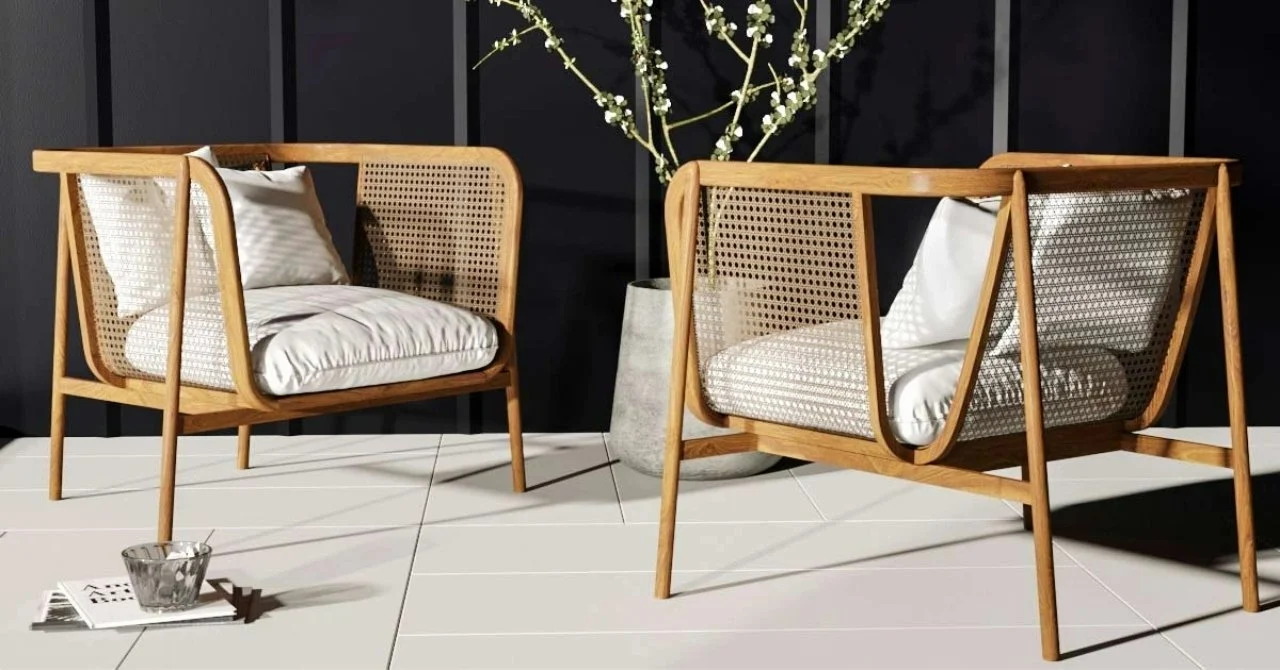
Skipping 3D modeling isn’t just “old school.” It creates a chain of expensive problems.
What goes wrong:
- Wrong proportions, material mismatches, or bad finishes – discovered only after production
- Physical prototypes take 2–6 weeks to build and cost thousands per piece
- Marketing teams wait for physical samples before they can shoot anything
- E-commerce teams can’t list the product until samples arrive – losing launch window
- Flat, uninspiring images go live → customers bounce → return rates climb
The result? You spend more, launch slower, and sell less.
This is exactly why the industry shifted to 3D modeling before manufacturing.
7 Smart Ways Furniture Brands Are Actually Using 3D Models Right Now

Way 1 – Build Your Product Catalog Before the Factory Starts
Create your full digital catalog from 3D models: multiple angles, lifestyle scenes, white-background shots. Update it for new seasons by swapping digital textures – not scheduling a new photoshoot.
No logistics. No sample shipping. No studio booking.
Way 2 – Use AR Placement Tools to Close Hesitant Online Buyers
Export your 3D model in AR-compatible formats:
- USDZ → iOS (Apple devices)
- GLB/GLTF → Android and web
Add a “See it in your room” button to your product page. Watch bounce rate drop and add-to-cart rate climb.
Way 3 – Run Pre-Order Campaigns and Validate Demand Before Manufacturing Commits
Launch a product page with 3D renders. Run paid ads. Gauge real demand. Capture pre-orders before committing manufacturing budget.
Pre-order data tells you exactly how many units to produce. Kills overstock risk entirely.
Way 4 – Give Customers a Live Product Configurator on Your Website
Power a real-time configurator with your 3D model:
- Customer picks fabric, color, size, leg finish
- Every combination renders live
- No extra inventory needed for each variant
Customers who customize are more committed to their purchase. Average order value goes up.
Way 5 – Pitch Wholesale Buyers and Retailers Without a Physical Sample
Send high-res CGI renders to trade buyers and retail partners – before production starts. Present every SKU variant digitally. Close deals faster. Start manufacturing based on confirmed orders, not guesswork.
Way 6 – Repurpose One 3D Model Across Every Marketing Channel
From one 3D model, you can produce:
- Hero image for the website
- Social media carousel (5–10 angles)
- 360° spin video for product pages
- Email marketing banner
- Print catalog layout
One asset. Every channel. Zero additional photoshoots. The ROI compounds with every campaign the model powers.
Way 7 – Build a Virtual Showroom for Trade Partners and International Buyers
Use your 3D furniture models to build a VR walkthrough environment. Global buyers experience the full collection – without flying in, without visiting a physical showroom.
Especially valuable for manufacturers whose products can’t be stocked in every retail partner’s location.
Frequently Asked Questions
Are 3D furniture models cost-effective vs physical prototypes?
Yes. 3D models remove material, labor, shipping, and repeat prototype costs. Brands often reduce visual production costs by 30–70% and reuse the same asset across marketing, AR, and catalogs.
What’s the difference between traditional prototyping and 3D modeling?
Traditional prototyping is slow (weeks), expensive, and limited to one version. 3D modeling is fast (hours), low-cost per iteration, fully editable, and reusable across marketing and product experiences.
How can small furniture brands start with 3D modeling on a budget?
Start by outsourcing to a specialist studio, focus on top-selling products first, and reuse models across channels before scaling. This avoids hiring, software, and hardware costs.
How does 3D modeling work with AR?
The same 3D file is exported in AR formats like USDZ (iOS) and GLB/GLTF (Android/web), enabling “view in your room” experiences directly from product pages.
Where can furniture brands find 3D modeling services?
Look for furniture-focused CGI studios with proven product experience, AR-ready outputs, and strong case studies. Studios like Orbe3D specialize in furniture-specific 3D modeling, AR assets, and product visualization
The Bottom Line
3D modeling before manufacturing isn’t a trend. It’s the new operating standard for furniture brands that want to compete online, reduce costs, and launch faster.
The brands still waiting for physical samples before marketing will keep falling further behind the ones that have already made the shift.
Whether you’re a growing DTC brand or a large-scale manufacturer – the 9 reasons above are measurable, proven, and already working for your competitors.
The question isn’t whether to start using 3D modeling. It’s how fast you can.
Ready to see what 3D modeling can do for your furniture brand? Get in touch with Orbe3D for a free consultation.